Edited by Paola Nola and Francesca Virelli
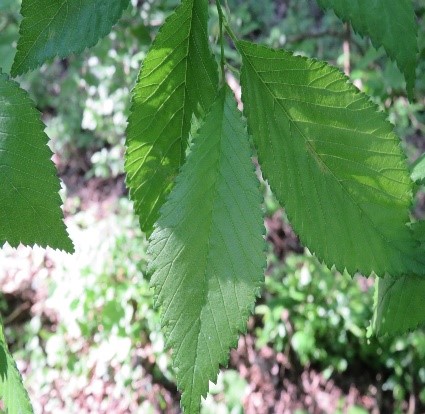
The type of woodland found in the Bosco Siro Negri Nature Reserve is known as an oak-elm forest, based on the tree species that characterise it: the English oak, which is by far the most abundant, and the elm. Although currently represented by smaller specimens, in the past the elm enriched the reserve with majestic trees, which could reach heights of 30–40 metres and diameters of 2–3 metres.
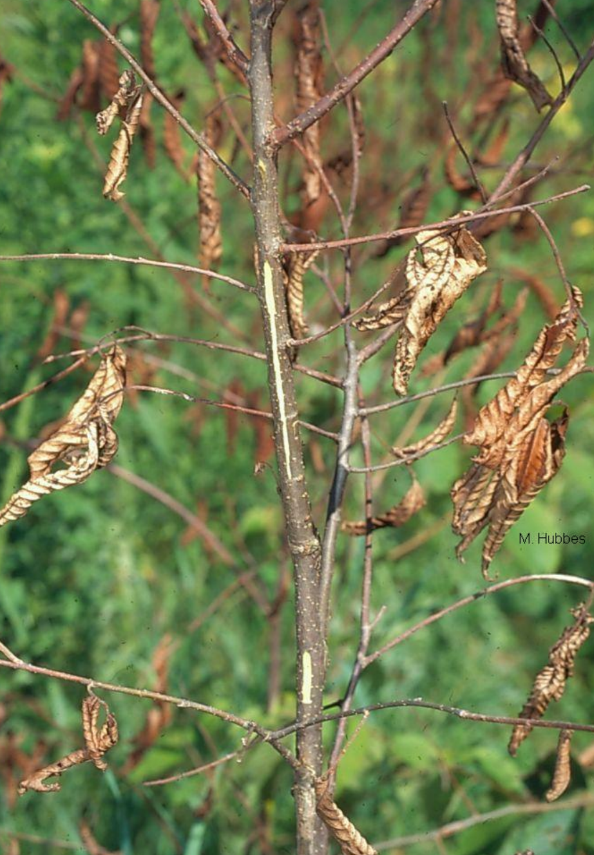
The decline in the elm population within the Reserve is due to the fact that the species is particularly susceptible to Dutch elm disease, a condition caused by a pathogenic fungus (Ophiostoma ulmi, Schwarz), which uses wood-dwelling insects—generally beetles of the genus Scolytus—as vectors. By burrowing tunnels in the wood, these beetles facilitate the spread of the fungus, which exploits the plant’s resources and weakens its immune defences.
The disease, which was already known at the beginning of the last century, saw its first epidemic wave in the 1970s and became even more aggressive in the years that followed, following the introduction of new virulent strains from North America.
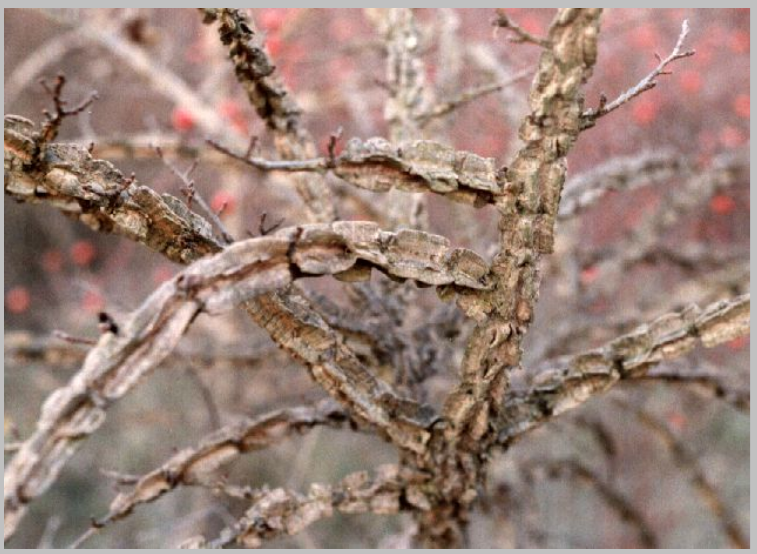
The elm has responded to the gravity of the situation by developing a particular survival strategy (known as neoteny), which has led the population to invest in the younger generations, significantly increasing seed and fruit production and bringing forward the reproductive period in younger individuals. This behaviour has spread throughout the entire population, affecting not only plants attacked by the fungus but also healthy specimens. This has resulted in a significant increase in regeneration, thereby raising the likelihood that some disease-resistant individuals would be present among the numerous offspring.
Although many elm trees within the Reserve have died as a result of Dutch elm disease, the mortality has been scattered and relatively homogeneous, without creating large gaps in the forest canopy. For this reason, the high mortality rate among elms observed in the 1980s was not followed by an invasion of exotic species such as black locust. The small gaps created by the death of scattered individual trees were managed autonomously by the forest, with the space left vacant being rapidly colonised by native species.